Sectors Electronics & precision
High value. Higher stakes.
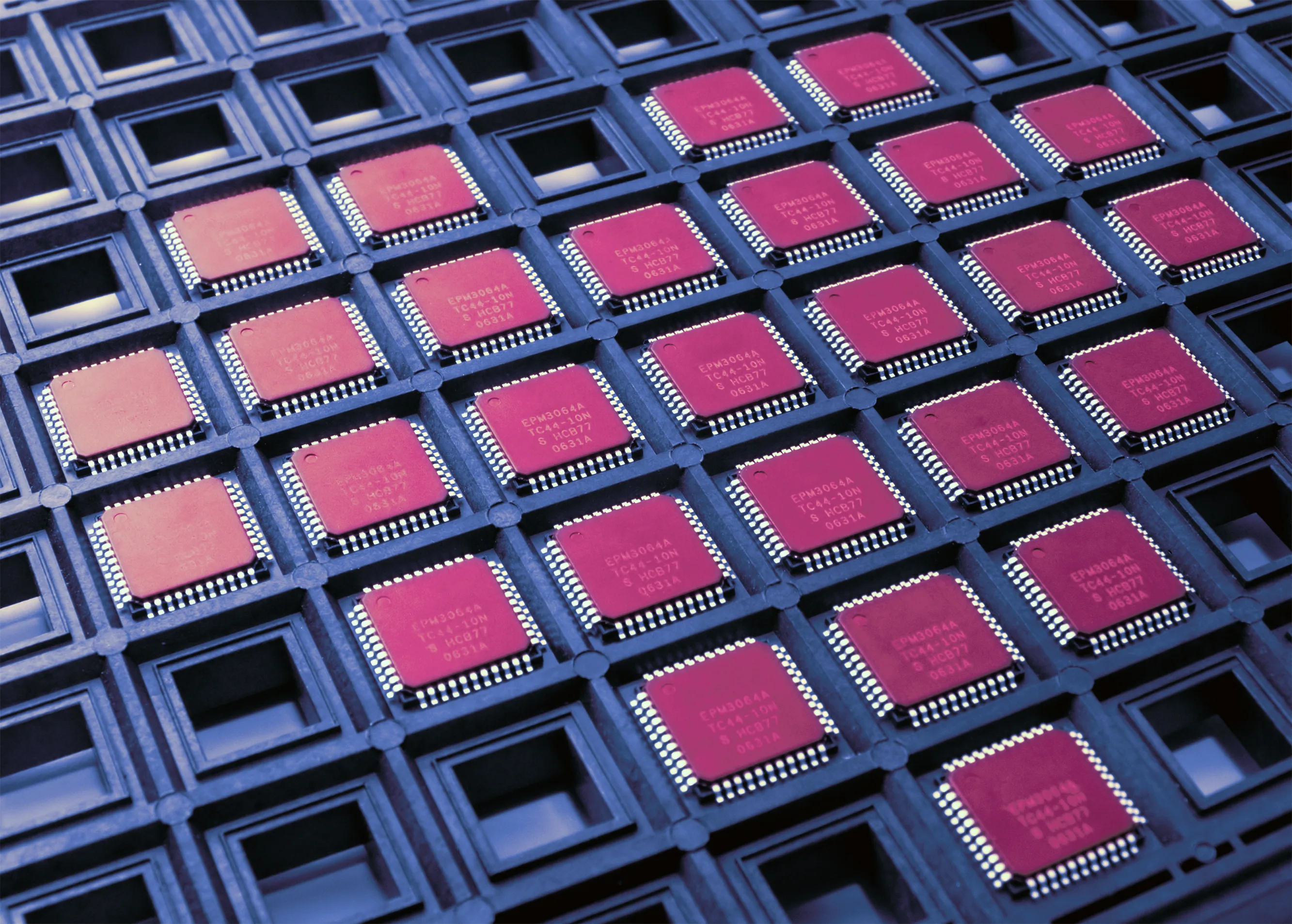
Circuit boards, semiconductors, electric motors, optical and medical instruments, consumer electronics. Chain-of-custody, sealed-container handling, theft-prevention protocols. FDA, BIS, and ITAR regulatory regimes where applicable.
The thesis
The cargo is small. The consequences are not.
Electronics imports are high-value-per-unit cargo where the freight rate is trivial compared to the cargo value.
A pallet of consumer electronics can be worth more than a 40-foot container of canned goods. A single semiconductor wafer carrier can carry millions of dollars of product in cubic feet that would be inconsequential for any other cargo class. Medical instrumentation can carry both high value AND regulatory implications that make a missed customs entry catastrophic. The cargo class doesn\'t reward freight-rate optimization; it rewards risk control at every transfer point.
The operational concerns are different from standard containerized cargo: chain-of-custody integrity (so audit trails support insurance and regulatory positions), theft prevention (high-value cargo is target cargo throughout the supply chain), customs classification accuracy (mis-classification is the most common high-value freight failure and the most expensive to remediate), and regulatory compliance for sub-classes where it applies — FDA for medical instruments, BIS for dual-use technology exports, ITAR for defense-related components, EPA for certain optical and chemical-laden devices.
China remains the largest origin for consumer electronics, but Vietnam, Taiwan, Thailand, and Mexico have grown significantly as manufacturing diversification accelerates across the broader Asian electronics manufacturing region. Each origin shift carries its own customs implications, country-of-origin documentation requirements, and supply-chain due-diligence considerations that the cargo class has to coordinate at the port.
Documentation costs nothing. Wrong documentation costs everything.
The cargo class
Seven sub-classes. One non-negotiable: the documentation.
Each sub-class carries its own regulatory regime — FDA, BIS, FCC, Entity List screening — that determines whether a shipment clears in 24 hours or sits in secondary inspection for a week. Documentation accuracy is the operational moat.
-
High-volume electronics manufacturing input
Circuit boards & PCBA
Printed circuit boards (PCBs) and printed-circuit-board assemblies (PCBAs) — the foundational electronics manufacturing input. Volume flows from Asian PCB manufacturing concentrations (China, Taiwan, Vietnam, Thailand) to Northeast electronics manufacturers and contract assemblers. Cargo characteristics include moisture-sensitive packaging (PCBs degrade in humid storage), anti-static handling, and specific HS classification depending on board type and assembly state.
-
Trade-restricted, high-stakes
Semiconductors & wafers
Semiconductor wafers, chips, and packaged ICs from major manufacturing concentrations. Subject to evolving export-control regulations (especially around advanced-process semiconductor technology) requiring close monitoring of BIS Entity List, country-specific export licenses, and end-user certifications. The cargo class has become geopolitically significant in recent years, with documentation accuracy carrying real legal stakes.
-
Industrial, automotive, EV-driven growth
Electric motors & components
Electric motors and motor components — industrial servo motors, automotive electric drive motors (with EV-related growth), HVAC and appliance motors, brushless DC motors for robotics. Major Asian manufacturing origins driven by industrial automation and EV growth. Cargo characteristics include heavy-but-compact freight, mixed-pallet shipments for distributors, and HS classification work for industrial vs. consumer-grade motor sub-classes.
-
Cameras, lenses, scientific optics
Optical instruments
Optical instruments — cameras and camera modules, scientific microscopes and instruments, lenses and lens assemblies, laser systems, surveying and ranging equipment. Japanese and German manufacturers dominate the precision tier; Chinese manufacturers strong in consumer-grade and mid-tier industrial optics. Some sub-classes carry export-control considerations (laser systems, surveillance optics, military-derivative components).
-
FDA-regulated cargo class
Medical instruments
Medical instrumentation — diagnostic imaging components, surgical instruments, patient monitoring equipment, in-vitro diagnostic devices, dental and ophthalmic equipment. The cargo class is FDA-regulated, requiring 510(k), PMA, or other premarket clearance documentation depending on the device classification. Customs entries reference FDA databases and require accurate device classification at the entry point. Downstream customers include NYC research hospitals, medical device distributors, and specialty surgical-equipment dealers.
-
Volume-driven, retail-distributed
Consumer electronics
Consumer electronics — smartphones, tablets, laptops, smart home devices, audio equipment, gaming hardware, accessories. The cargo class flows in high volume through standard containerized shipping with security and theft-prevention protocols throughout. Origin sourcing remains China-dominant for finished goods but with Vietnam and Thailand growing for assembly and India growing for both assembly and component-level imports. Downstream the cargo distributes to retail chains, e-commerce fulfillment, and branded retail-store networks.
-
5G, infrastructure, network gear
Telecom equipment
Telecommunications equipment — base stations, network routers and switches, optical fiber components, antenna systems, customer-premises equipment (modems, set-top boxes). The cargo class has been reshaped by 5G infrastructure rollout and by ongoing fiber and broadband investment. Some sub-classes (specifically Chinese-origin telecom infrastructure) carry trade-restriction considerations under FCC and Department of Commerce rules requiring careful customs and end-user documentation.
Regulatory and operational complexity
Multiple regulatory regimes. Multiple sourcing diversifications. Single accountable team.
-
CN origin shift
Vietnam, Taiwan, Thailand, and Mexico growing as manufacturing diversifies from China
-
FDA BIS · ITAR
Multiple regulatory regimes apply depending on cargo sub-class
-
High value-per-unit
Cargo class is theft-target throughout the supply chain
Electronics imports are reshaped by two parallel forces: the geopolitical reorganization of Asian electronics manufacturing (China to Vietnam, Taiwan, Thailand, Mexico) and the increasing regulatory complexity of US import controls (BIS Entity List, ITAR, FDA, FCC, EPA, Section 301 tariff exclusions). Both forces compound the customs and documentation work per shipment. A brand that imported a single SKU from one origin three years ago may now import the same SKU from two or three origins under different country-of-origin certificates, different duty rates, and different end-use compliance requirements.
Done well, the cargo class moves through PANYNJ in 24-to-48 hour customs clearance windows with no intervention. Done poorly, shipments sit in CBP secondary inspection for days while documentation gets corrected — an operational outcome that compounds across an enterprise importer's full container volume into significant inventory carrying cost and SLA misses.
The freight clears in 24 hours or it sits for a week. The difference is the documentation done before the vessel arrived.
Brief us on the regulatory regime
Tell us what's in the box. We'll handle what the box has to clear.
Cargo class, origin, end-use, regulatory regime, security requirements. We'll come back with the customs strategy and the chain-of-custody plan.